
Sea freight to Latvia: LCL groupage, pay by W/M
If your goods do not fill a container, they travel with other shippers' cargo and you pay for your own volume. It is the cheapest way to bring a small batch from China, elsewhere in Asia or other continents.
- Transit from Asia
- 25-45 days
- Priced by
- m³ or tonne (W/M)
- Minimum shipment
- 1 m³
- Document
- Bill of lading (B/L)
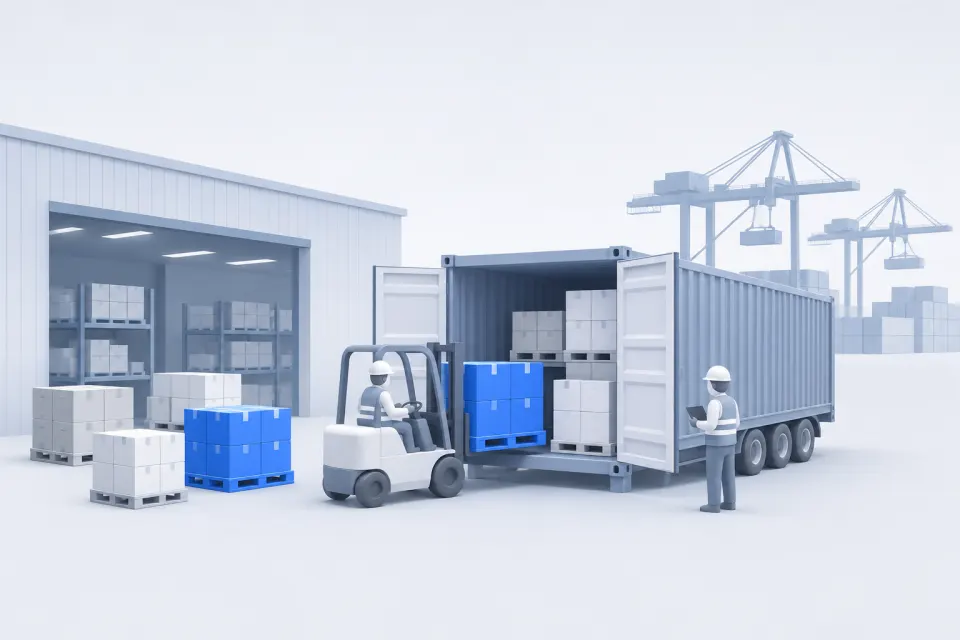
How the price is built
LCL ocean freight is charged per W/M unit: 1 cubic metre or 1,000 kg, whichever is greater. Boxes of 2 m³ weighing 600 kg are charged as 2 units, while 1 m³ weighing 1,500 kg counts as 1.5 units.
Terminal handling at origin and destination, documentation, customs clearance and delivery from the port are added to the freight. Our quote lists every item separately so the final amount matches what was promised.
The Incoterms rule affects the price. With EXW or FOB the buyer arranges the transport, and we do that on your behalf. With CIF or CFR the supplier pays the freight, but destination charges are often higher.
All four modes are compared side by side in our guide: how groupage pricing works.
If your cargo comes from China, pickup cities, a sea, rail and air comparison and the customs paperwork are on the page Groupage from China.
A good fit
- Batches from 1 to roughly 13-15 m³
- Goods that are not time-critical
- First orders from a new supplier
- Combining cargo from several suppliers into one shipment
When another mode is better
- Volume above 15 m³: a 20-foot container (FCL) is often cheaper and faster
- Urgent cargo: choose air or rail
Process
The cargo journey step by step
- 1
Delivery to the consolidation warehouse
The supplier delivers to a warehouse near the port, or we collect from the factory. The cargo is measured and weighed.
- 2
Export clearance and container stuffing
Consignments for the same destination are loaded into a shared container. You receive the bill of lading.
- 3
Ocean leg
The container sails to Europe, usually with transhipment at a major port. We report the expected arrival date and any changes.
- 4
Customs and delivery
Once the container is unpacked we clear the goods for import and deliver them to your warehouse.
Routes
Routes served by this mode
Questions
Frequently asked questions
When is LCL cheaper than a full container?
Usually up to 13-15 m³. Above that we compare both options, because a 20-foot container has a fixed price and fewer handling steps.
Why is LCL slower than FCL?
The container waits for all consignments before loading and is unpacked at a terminal on arrival. That usually adds a few days at each end.
Which documents are needed for import?
A commercial invoice, packing list, bill of lading and your company's EORI number. Some product groups need certificates, and we flag that before shipping.
How should LCL cargo be packed?
On pallets or in sturdy cartons, with a label on every piece. Other shippers' cargo sits alongside in the shared container, so the packing must withstand stacking and humidity.
Request
Groupage quote request
Transport
Other transport modes
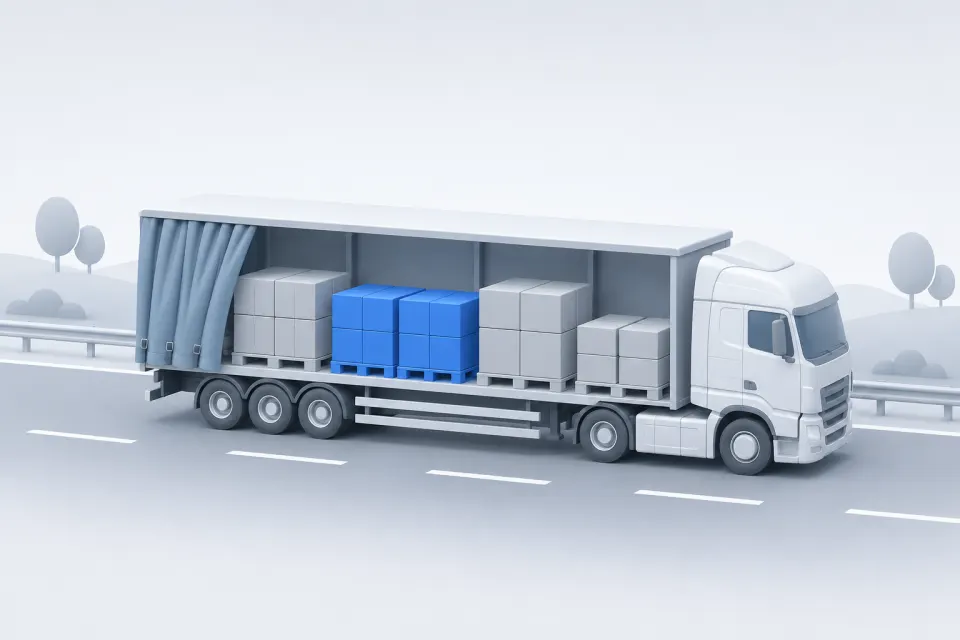
Road groupage (LTL)
Transit in Europe: 2-10 days, depending on the country
- Priced by: LDM or weight
- Minimum shipment: 1 pallet
- Document: CMR
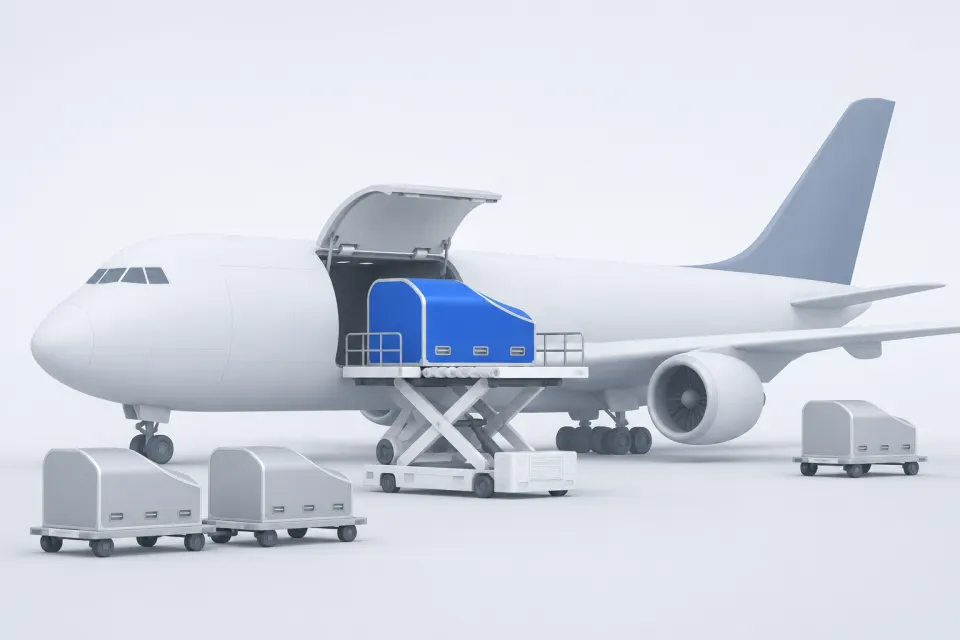
Air freight
Door to door: 2-5 days
- Priced by: chargeable weight
- Volume ratio: 1 m³ = 167 kg
- Document: Air waybill (AWB)

Rail freight LCL
Transit: 14-20 days
- Priced by: volume or weight
- Typical shipment: cartons to 10 pallets
- Document: Rail consignment note